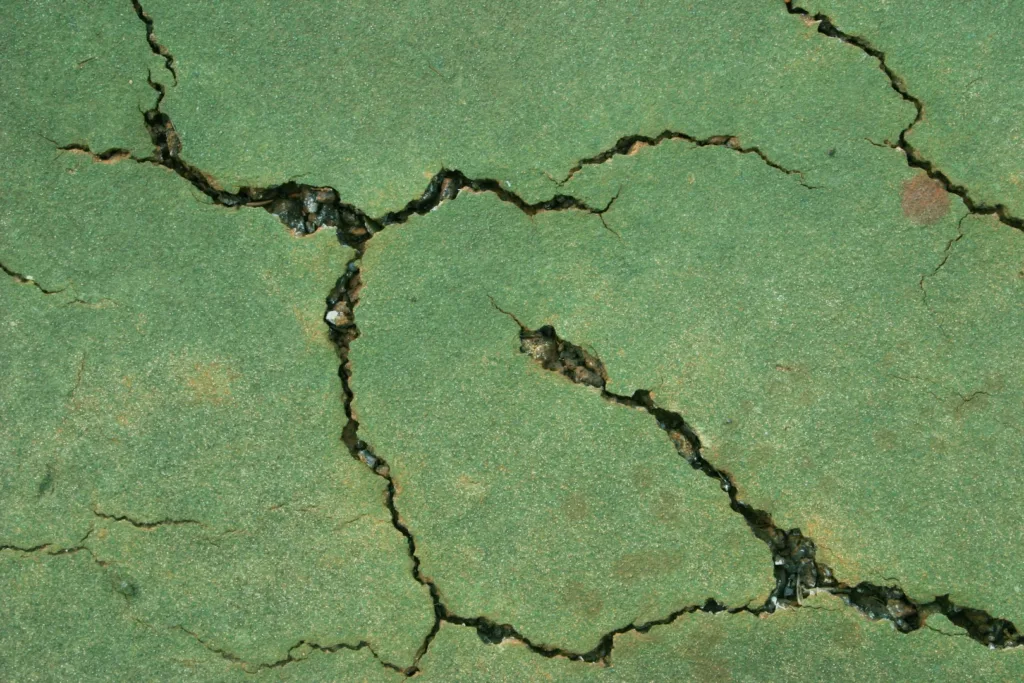
A well-built outdoor court can provide families with years of activity, whether it’s built for basketball, tennis, pickleball, or a variety of sports. However, like any outdoor surface, courts can develop problems over time, especially if they aren’t installed or maintained properly. Understanding the most common court issues that can arise and how to prevent them can help protect your investment and keep players safe.
1. Cracks in the Court Surface
Cracks are one of the most common court issues, especially on concrete or asphalt surfaces. They can form due to ground movement, temperature fluctuations, freeze-thaw cycles, improper base preparation, or natural settling.
How to prevent it:
- Ensure proper site preparation and a stable, compacted base
- Use expansion joints where appropriate
- Choose high-quality surfacing materials designed for your climate
- Schedule routine inspections to address small cracks before they spread
- Remove standing water immediately, clean off debris regularly, and trim tree roots
2. Surface Fading and Discoloration
Sun exposure, weather conditions, and heavy use can cause court colors and lines to fade over time, affecting both appearance and visibility.
How to prevent it:
- Use UV-resistant coatings and paint
- Clean the court regularly to remove dirt and debris
- Reapply surface coatings and lines as part of routine maintenance
- Consider investing in shade structures or strategic planting to reduce direct sun exposure
- Select materials designed for your regional climate and schedule seasonal inspections.
3. Poor Drainage and Water Pooling
Standing water on an outdoor court can create slippery conditions, lead to surface bubbling and blisters, encourage surface deterioration, and lead to mold or mildew growth.
How to prevent it:
- Design a court with a proper slope (one inch every 10 feet in one direction)
- Install channel drains or shallow trenches along the court edges
- Keep drains clear of debris
- Address low spots or uneven areas promptly
4. Slippery Playing Surface
A slick surface increases the risk of slips and falls and ankle and knee injuries, particularly after rain or when dirt and algae build up.
How to prevent it:
- Use slip-resistant coatings designed for outdoor courts
- Clean the surface regularly with cleaners designed for court surfaces
- Repair worn or smooth areas that have lost traction
- Wipe up sweat and spills immediately

5. Uneven or Worn Areas
High-traffic zones, such as under basketball hoops or along baseline areas, can wear down faster than the rest of the court, creating an uneven playing surface.
How to prevent it:
- Rotate usage when possible
- Schedule periodic resurfacing (typically every four to eight years, depending on wear and tear)
- Repair worn areas early to maintain a consistent surface
6. Cracked or Loose Court Lines
Court lines can peel, crack, or fade, making gameplay confusing and unprofessional in appearance.
How to prevent it:
- Use professional-grade line striping materials
- Ensure proper surface preparation before painting
- Touch up lines as part of regular maintenance
- Keep heavy furniture, vehicles, and grills off the court to prevent stress
7. Equipment-Related Damage
Loose basketball hoops, tennis posts, or fencing can damage the court surface and create safety hazards.
How to prevent it:
- Secure all equipment properly during installation
- Inspect posts, anchors, and hardware regularly
- Repair or replace damaged equipment promptly
8. Lack of Routine Maintenance
Neglecting routine care can allow minor problems to turn into major, costly repairs.
How to prevent it:
- Create a regular cleaning and inspection schedule
- Address small problems early
- Work with a professional court maintenance or resurfacing company
The Importance of Quality Materials and Installation
Many court problems stem from cutting corners during installation. Trying to save a bit of money could lead to:
- Poor base preparation that causes settling and cracks
- Low-quality coatings that wear faster and fade sooner
- Improper curing times that cause premature surface failure
Working with experienced professionals ensures proper grading, drainage, curing, and finishing, which reduces long-term repair costs.
When It’s Time for Professional Help
You should consider professional refinishing or maintenance if you experience:
- Widening or spreading cracks
- Water that doesn’t drain within a few hours
- Smooth or slick areas that cleaning doesn’t fix
- Faded or peeling court lines
- Uneven bounce or visible low spots

Keep Your Court Safe From These Common Problems
You can prevent most outdoor court issues by investing in proper installation, quality materials, and routine maintenance. However, if issues do develop, addressing them early not only extends the life of your court but also ensures a safer, more enjoyable playing experience for everyone.
If your outdoor court is showing signs of wear, consulting a professional can help restore performance, appearance, and safety before problems worsen.