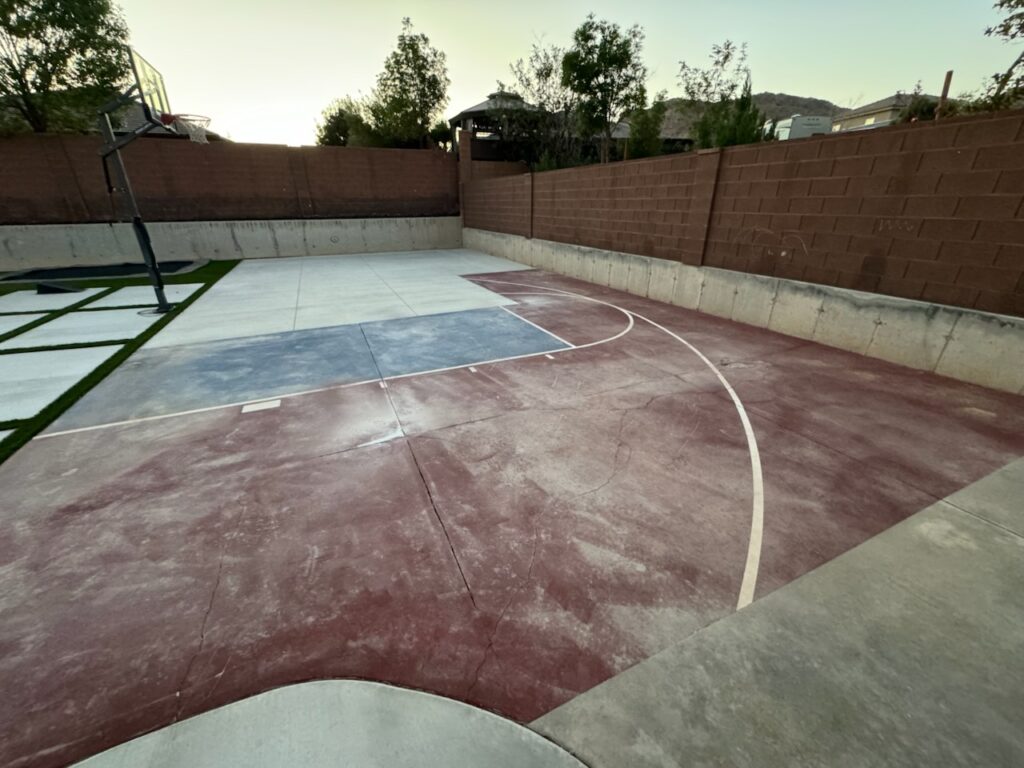
Whether you have a backyard basketball court, a pickleball area, or a multi-use surface, you have invested a significant amount in your outdoor recreational space. To keep it safe and functional, it requires ongoing care. One of the most overlooked but essential parts of that maintenance is regular inspections.
Here’s why routine court inspections help protect both your playing surface and the people using it.
Catch Small Problems Before They Become Big Ones
Outdoor courts endure constant wear from foot traffic, weather, and equipment use. Over time, small issues like surface cracks, loose tiles, or poor drainage can develop.
Regular court inspections help you identify early signs of damage, address minor repairs quickly, and prevent costly, large-scale fixes down the road.
If a court is neglected, a small crack can eventually turn into a tripping hazard or structural issue.
Ensure Player Safety
Safety should always be the top priority for any outdoor court. Even minor surface wear can increase the risk of slips, trips, and falls. Routine inspections help you uncover uneven surfaces or shifting tiles, identify worn-out traction areas, and spot debris buildup or drainage issues.
By staying proactive, you create a safer environment for athletes of all ages and skill levels.
Extend the Life of Your Court
Even though outdoor courts are designed to be durable, they still need regular maintenance. Inspections and care can significantly extend the lifespan of your surface. You’ll be able to preserve structural integrity, maintain proper drainage, and prevent premature surface breakdown.
A well-maintained court can last years longer than one that’s neglected.
Maintain Performance Quality
When playing on a court, players want consistent ball bounce, traction, and responsiveness. However, over time, wear and environmental exposure can impact how your court performs.
Through court inspections, you can ensure even playing surfaces, maintain proper grip and traction, and identify areas that may affect gameplay. This is especially important for competitive play or multi-use courts where performance consistency matters.

Protect Your Investment
Installing an outdoor court is a significant investment. Regular inspections can help safeguard that investment by ensuring issues are addressed before they escalate.
Think of inspections as preventive maintenance, similar to servicing a vehicle. A little attention now can save you from major expenses later.
Reduce Liability Risks
If your court has been neglected and someone gets hurt, you could be responsible. Documented inspections serve as proof of due diligence, protecting you from liability in case of accidents.
Stay Ahead of Seasonal Wear and Weather Damage
Weather plays a major role in the condition of your court. Heat, cold, moisture, and UV exposure can all contribute to wear and tear. For example, freeze-thaw cycles can expand small cracks, while intense sun exposure can fade surfaces and markings and weaken materials.
Seasonal inspections help you prepare your court for extreme weather, spot damage after storms or heavy use, and create appropriate maintenance routines for the year.
What to Look for During an Inspection
Even a basic inspection can go a long way. Key things to check include:
- Surface cracks or warping
- Loose or damaged tiles (for modular courts)
- Faded lines or coatings
- Drainage issues or standing water
- Debris buildup or mold or mildew growth
- Perimeter damage (edges, borders, or fencing)
For a more thorough assessment, consider scheduling a professional inspection.
Don’t Overlook Court Accessories
When completing an inspection, you need to check accessories as well as the playing surface. Inspect hoops, nets, and posts for stability and rust, fencing for damage or loose sections, lighting systems for proper function, and benches or seating areas for wear and safety.
These elements contribute to both safety and overall user experience.
How Often Should You Inspect Your Court?
Once a month, perform a quick visual check of your court. Then, once in the spring and once in the fall, conduct a more detailed inspection. To identify hidden issues and keep your court in peak condition, invest in a professional evaluation once a year. A professional can check the sub-base and structural components.

Courts that experience heavy use or are exposed to harsh weather regularly may benefit from more frequent inspections.
Complete an Outdoor Court Inspection Today
Regular court inspections allow you to protect your investment, enhance safety, and maintain peak performance. By catching small issues early and staying proactive with maintenance, you can have a reliable and enjoyable space for years to come.
If it’s been a while since your last inspection, take the time now to inspect the surface. Your court and its players will thank you.