When it comes to building or maintaining a high-quality court, you need to focus on more than just surface materials, design, and performance features. Drainage also plays a critical role in the longevity of your outdoor space. Without proper moisture management, issues affecting safety, longevity, and playability can quickly develop.
Below, we’ll discuss the importance of drainage and the common problems that arise when it’s neglected.
Why Drainage Is Essential for Outdoor Courts
Protects the Court’s Structural Integrity
Water is one of the biggest threats to any outdoor surface. If it isn’t properly directed away from your court, it can seep beneath the surface and weaken the base layer. Over time, this leads to shifting, cracking, and uneven areas that are costly to repair.
Enhances Player Safety
Standing water creates slippery conditions that increase the risk of slips, trips, and falls. Even if the surface appears dry, excess moisture underneath can cause soft spots or instability, both of which pose safety hazards for players.
Slippery surfaces can also increase the risk of liability issues for commercial courts if someone gets injured.
Extends the Life of the Court
Proper drainage helps prevent premature wear and tear. By keeping water from pooling or penetrating the surface, you can reduce the likelihood of damage that can shorten the lifespan of your investment.
Maintains Consistent Playability
When a court has proper drainage, it dries faster after rain, allowing for more consistent use. Poor drainage, on the other hand, can leave sections of the court unusable for extended periods, disrupting play and scheduling.
Common Drainage-Related Problems
Standing water (Puddles)
One of the most obvious signs of poor drainage is water collecting on the surface after rain. Standing water can occur due to improper grading, surface depressions, or clogged drainage systems.
It’s important to address excess moisture as it can increase slip hazards, speed up surface deterioration, and cause deterioration or staining.
Cracks and Surface Damage
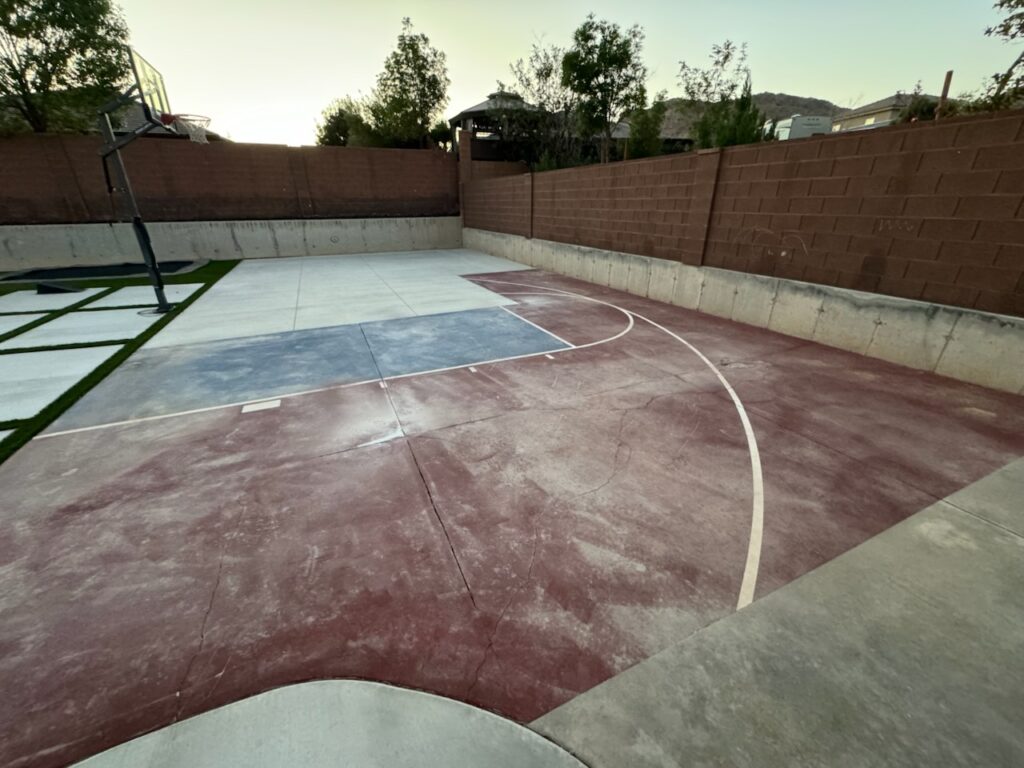
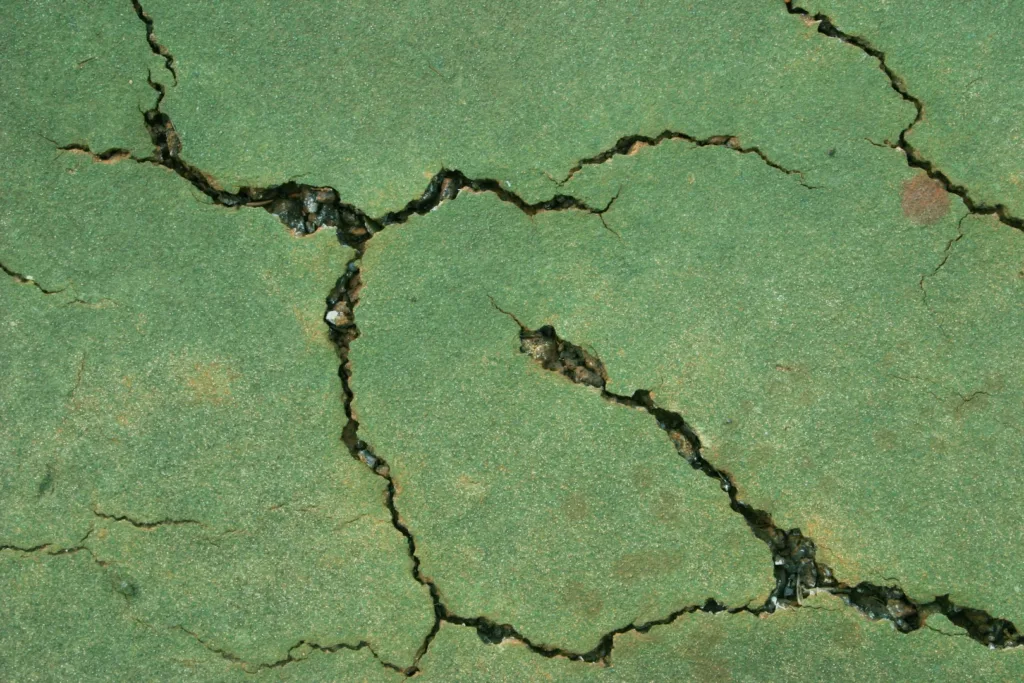
When water seeps into small cracks and freezes (especially in colder climates), it expands and worsens the damage. Over time, freeze-thaw cycles can cause widespread cracking or even surface failure, compromising play quality and requiring expensive repairs or resurfacing.
Base Erosion and Settling
Improper drainage can cause the base layer beneath the court to erode or shift, leading to uneven surfaces, dips, or sinking areas. This can create tripping hazards and affect ball bounce and performance.

Mold, Mildew, and Algae Growth
Persistent moisture can lead to organic growth on the court surface. Mold or mildew can make surfaces slippery, lead to unsightly discoloration, and increase maintenance needs.
Edge and Perimeter Damage
If water isn’t directed away from the court edges, it can accumulate around the perimeter, damaging borders, fencing, or nearby landscaping, weakening the overall court structure, and worsening drainage issues over time.
Signs Your Court Has Drainage Issues
In addition to standing water, watch for areas that dry more slowly than the rest of the court, fading, bubbling, or peeling surface coatings, visible depressions or developing low spots, or uneven ball bounce or “dead spots.”
You should also keep an eye out for algae and moss growth. Slippery green patches indicate a chronic moisture issue.
Key Drainage Solutions to Consider
Proper Grading — Ensure the court has a slight slope (one percent in one direction) to encourage water runoff.
Perimeter Drains — Install French drains or channel drains to move water away.
Permeable Base Layer — Use materials that allow water to pass through without pooling.
Routine Maintenance — Keep drains, edges, and surrounding areas clear of debris and inspect for low spots or damage.
Inspection — Inspect the court after heavy rain for new low spots or pooling.
Landscaping — Keep nearby landscaping trimmed back to prevent root intrusion or blockages.
When to Call a Professional
Some moisture problems require expert evaluation and repair. Consider bringing in a professional if you experience consistent water pooling, significant cracking or surface shifting, or uneven or unstable areas. You should also call a pro if your drainage systems are clogged, damaged, or ineffective.
Keep Water Off Your Outdoor Court
You may not think about outdoor court drainage, but it plays a foundational role in performance, safety, and durability. Ignoring drainage issues can lead to costly repairs and reduced usability, while investing in proper drainage from the start can help protect your court for years to come.
If you’re planning a new installation or noticing signs of moisture problems, address them early to save yourself time, money, and frustration.